





The problem of plastic waste has been one of the most topical problems of the environment in the modern world, particularly within the food and beverage sector. The extensive consumption of the single-use plastic items has contributed to the growth of a level of pollution across land, water bodies, and the ecological balance at large. With the increase in awareness, businesses and consumers are now working hard to find solutions that could diminish food packaging plastic waste and move to more sustainable solutions instead. Reducing plastic waste in food packaging is no more of a choice but a necessity to gain cleaner and greener future.
Among other approaches, one of the best methods of curbing plastic food packaging wastes is to switch to renewable resource-based materials that are eco-friendly. Paper-based packaging solutions, including gable top cartons are increasingly being used as they are less harmful to the environment. These cartons are made to substitute the previous plastic bottles and containers, but preserve the quality and safety of food and beverages. With such options, companies will save a great amount of plastic waste food packaging and make their efforts towards sustainability.
Another important approach to reduce plastic waste in food packaging is the focus on innovative design and material optimization. New packaging technologies enable manufacturers to produce strong and effective packaging with a small amount of the material. This saves on the general amount of plastic consumed and it means the use of resources in a more responsible manner. Transportation efficiency is also enhanced by light and compact packaging and this will inevitably support the efforts to reduce plastic waste in food packaging due to the reduced carbon emissions.
Sustainable brands play a vital part in the effort to cut down food packaging plastics. Firms that are conscious of the environment have been launching products with recyclable and biodegradable packaging. Not only these brands are responding to consumer demand by offering environmentally friendly products, but they will also introduce new standards to the industry. The continued encouragement of sustainable practices by such organizations has contributed to speeding up the shift to packaging solutions that decrease plastic waste in food packaging on a massive scale.
The behavior of consumers is also a key element towards having food packaging that reduces plastic waste. The growing awareness of the negative impact of plastic pollution has motivated people to be more conscious when it comes to making their purchases. Most customers have come across products that are packaged in sustainable designs and this is encouraging companies to go green. This national change of experience is needed to decrease plastic waste in food packaging, and influence in the long term on the environment.
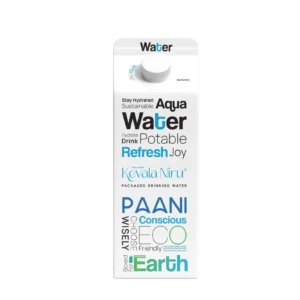
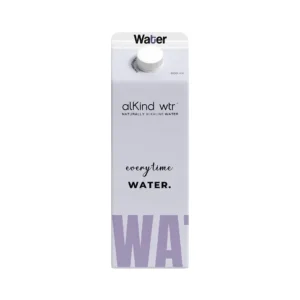
Implementation of use of paper carton packaging of water and beverages has been a breakthrough towards the attempt to minimize plastic waste in food packaging. The cartons provide an alternative to plastic bottles which is practical and green, and does not spoil the contents. Their multi-layered structure provides protection against external factors, maintaining the purity and quality of the product. Refilling plastic boxes with paper cartons will help the industry to decrease wastes of plastic in packaging food products and lead to responsible consumption.
By adopting recycling programs and promoting the use of a circular economy, businesses will also be able to minimize plastic waste in the packaging of food. Well-developed waste disposal systems will allow used packaging materials to be gathered, treated, and reused rather than landfill or in the oceans. Manufacturers, retailers and consumers should collaborate in order to make recycling easier and more efficient. These efforts are important in minimizing the environmental footprint of packaging and in the long-term reducing plastic waste of food packaging.
The mission to accomplish this has led to ongoing innovation in the drive to curb plastic waste in food packaging. New materials and technologies are created to create a substitute to the traditional plastics with biodegradable and compostable versions. The developments are assisting firms in developing packaging materials that are functional and eco-friendly. Since research and development activities are underway, it is increasingly feasible and scalable to cut down on plastic waste in food packaging.
Sustainable packaging is also being adopted in the hospitality and retail industries to cut down on the plastic food packaging waste. Supermarkets, cafes and restaurants are moving towards more environmentally friendly packaging and containers, and also paper and reusable packaging. This not only helps to curb the use plastic but it also increases brand image through showing commitment to environmental responsibility. The popularity of such practices among more businesses means that their combined effort to protect the environment by preventing the use of plastic in packaging food waste is growing.
The objective of minimizing the plastic waste in food packaging is being further strengthened by government policies and regulations. Bans on single-use plastic and bonuses on sustainable solutions are pushing companies into innovation to find better ways to reduce and clean up. These initiatives provide a positive atmosphere in which companies can shift to packaging that can support sustainability goals. By adhering to these regulations, industries will be able to help a lot to eliminate plastic waste and preserve the environment.


