





The problem of plastic waste has become one of the greatest environmental issues in India and especially in the packaged drinking water industry. There are millions of plastic bottles that are used daily and a high percentage of them are disposed of either in landfills, water bodies or in open spaces. This has become an increasing issue thus industries have been thinking of alternatives to packaging and finding more sustainable ways of packaging. With this shifting environment, the paper water bottle has been notable as a sustainable remedy that handles plastic evil without being unsafe and inconvenient.
The fast urbanisation and the increase in the demand of packaged water in India have led to the urgency in the reduction of plastics. The ordinary plastic bottles are produced using fossil fuels and require several centuries before decomposing. Plastic recycling is low even in the presence of the recycling system which causes a permanent destruction of the environment. Water packaging in paper can be seen as a solution to considerably decreasing this impact by reducing the amount of plastic usage on the packaging level as opposed to recycling which requires reuse.
The main component of a paper water bottle is the renewable paperboard; this reduces the reliance on the plastic substances instantly. Although a thin protective layer is also needed to promote the safety of water, the total content of plastic in them is still very small as opposed to the traditional bottles. This cut has a direct bearing on the amount of plastic waste produced each time a unit of the water packaged is on sale.
Indian manufacturers of paper water bottles are also contributing to the decreasing of plastic waste because of altering the water consumption and distribution patterns. The use of plastic bottles has been perceived as disposable, promoting the single-use behaviour. Cartons crafted with paper encourage a more conscious attitude to consumption because they effectively convey sustainability, the use of materials, and design. The transformation will change consumerism and promote the habit of disposing responsibly.
Another area of plastic waste reduction that is backed indirectly is the transportation efficiency. A bottle of water is packed easily, and has a narrow shape that is meant to be stacked easily. This will enable to transport more units with less trips, less fuel being used and less emission. Reduced transportation emissions will achieve overall environmental sustainability and support the value of paper-based packaging, not just in terms of material selection.
Indian manufacturers who embrace the solutions of using paper water bottles are also complying with government measures of cutting down on single-use plastics. Pressure on the part of the regulating authority and awareness programs have prompted companies into finding alternatives that can help them to be more sustainable to the country. Water packaging on paper is able to fulfill these expectations and provide a viable solution to large-scale distribution.
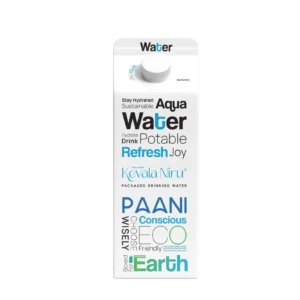
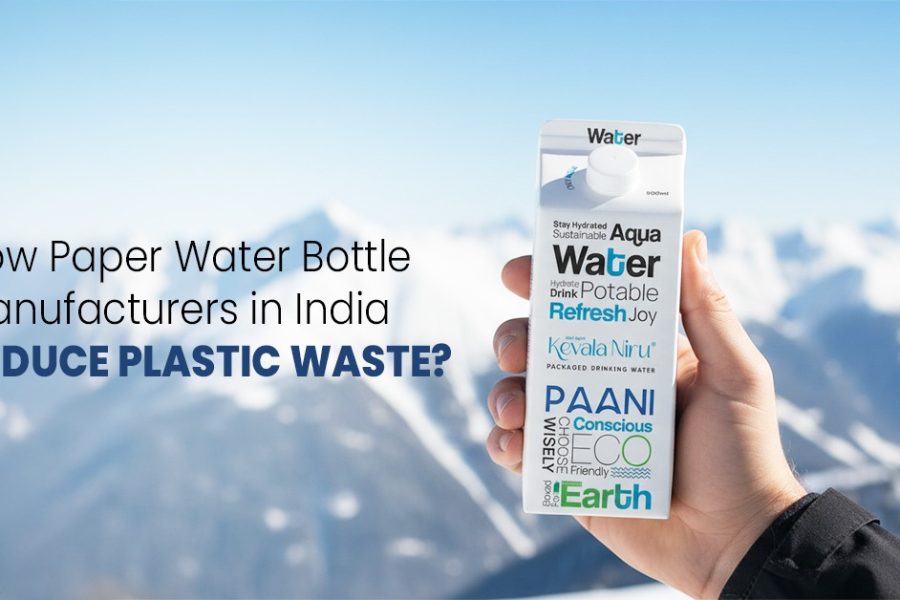
Kevala Niru is one of the notable examples of how innovation can create actual environmental impact. Being the first company in India to launch sustainable packaging of water at this scale the brand is working on minimizing the amount of plastic and glass waste by introducing Gable Top cartons of eco-friendly type. The philosophy of this means environmental stewardship and not convenience momentarily.
Kevala Niru is a company that sells natural mountain mineral water, alkaline water, and packaged drinking water in the range of its products with the implementation of sustainable packaging. The number of plastic bottles finding their way to the environment is directly lowered by every paper water bottle launched by the brand as it replaces a similar product made of plastic. This reduction is a significant difference in the long run particularly in the high consumption spheres.
The other means through which the manufacturers of paper water bottles minimize plastic waste includes sponsoring the use of renewable resources. Paperboard becauseof its sustainable cartons is obtained in managed forest and soil renewable chain. Paper-based materials can be renewed periodically unlike plastic which depends on the non-renewable fossil fuels. This helps in balancing the environment in the long term and proper handling of resources.
Paper-based water packaging largely depends on consumer awareness as a determinant of success. Consumers now prefer to use brands that express the true intentions of sustainability. A water bottle is a bottle of paper that communicates well the message of the environment and accountability. This will make more individuals switch off plastic and embrace those brands that focused on environmental-friendly operations.
Manufacturers of paper water bottles also take part in the mitigation of plastic waste by shaping the corporate and institutional decision. Packaged water is extensively used by the offices, hotels, educational institutions and organisers of events on a daily basis. By replacing plastic bottles with paper-based cartons, these organisations will greatly decrease their impact on the plastic footprint and, by doing it, comply with the policies of sustainability.
Hospitality industry especially has been increasingly interested in water packaging made of papers. Hotels and resorts are experiencing this pressure in order to be sustainable. The provision of water in a paper water bottle can fulfil the environmental pledge as well as increase brand loyalty among the environmentally friendly guests.
Another field where it is essential to reduce plastic waste is educational organizations and communal events. The massive crowds produce a lot of plastic waste within a limited amount of time. Paper cartons also present an effective option which promotes cleaner food places and enhanced convenience in waste disposal particularly in conjunction with the appropriate recycling mechanisms.
The emphasis of reducing carbon footprint made by Kevala Niru produces an extra contribution to the influence of the paper-based packaging. Sustainability in manufacturing, effective logistics and cutdown of the number of materials will result in reduced emissions. This is a holistic process to ensure that the reduction of the plastic waste does not remain a one-shot program but as a component of a wider environmental effort.
Another factor is the scalability of the paper water bottle production. These cartons can be manufactured in mass by Indian manufacturers and this will ensure that they are adopted widely. Scalability will assure sustainability is not restricted to niche markets, but can be expanded over industries and geographic regions.
The components of sustainable packaging include trust and transparency. Consumers are becoming more sensitive to greenwashing and demand that the brands should support the environmental claims with actual action. Kevala Niru is someone who creates trust through the regular association of its packaging decisions with its sustainability mission. Customer loyalty will be enhanced by this credibility which will promote long-term behavioural change.
The switch to the use of paper cartoons instead of plastic bottles is also beneficial to change the attitude towards packaged water. Packaged water had always been viewed as being detrimental to the environment. The paper water bottle tries to break this notion by showing that hydration and sustainability can be compatible. Such shift in thinking is the key to reducing plastic waste in the long-term.


