




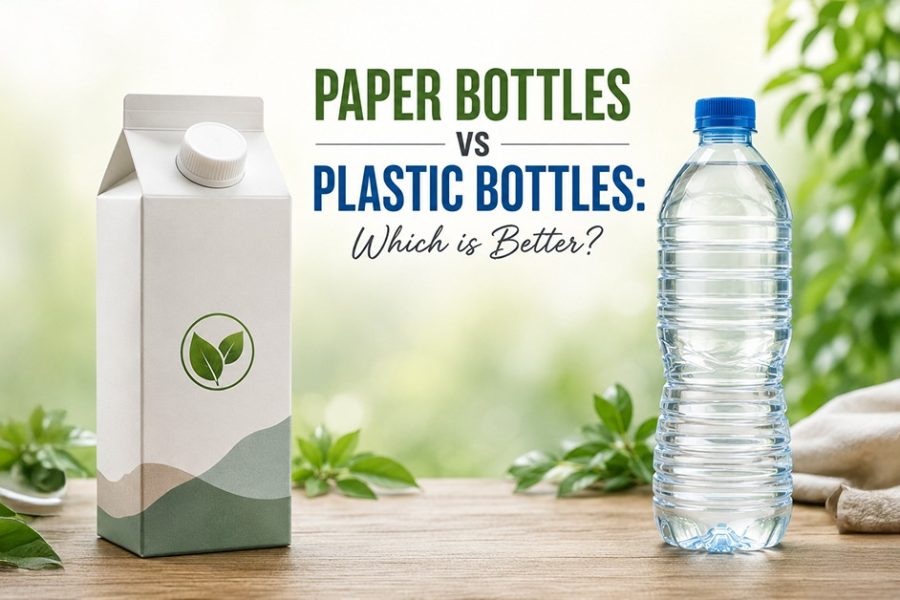
With the growing environmental concerns from around the world, the debate is growing more and more relevant when it comes to paper bottles versus plastic bottles. Increased sustainability, recyclability, and environmental concerns are becoming key factors in packaging selection, in addition to convenience and cost. This is a comparison between two packaging formats, emphasizing the growing consumer preference and industry trend towards embracing sustainable packaging options. Brands such as Kevala Niru Water Packaging are also pioneering with their innovative water products that are environmentally friendly and compatible with current values.
Plastic bottles are the most popular drink packaging since all these factors make them more durable, lightweight, cost-effective. The plastic waste’s impact on the environment however, has a raised serious concern. Plastic bottles can take hundreds of years to break down, and are commonly found in natural habitats, oceans, and landfills. This buildup leads to pollution, undesirable plants and animals, and the imbalance of nature. As people become more aware, the end of the plastic packaging is looming, and industries realize that they need to find alternatives that will lessen the long-term impact on the environment.
Paper bottles, however, are a major step up in recycling packaging materials. The overwhelmingly majority of these bottles are made from renewable materials including paperboard, and are engineered to have as little impact on the environment as possible without compromising safety and quality of the product. Adopting environmentally friendly materials makes paper bottles more biodegradable and compatible with existing recycling processes. This paper packaging trend signifies a wider acknowledgment of the need to cut back on plastic usage and embrace responsible consumption habits.
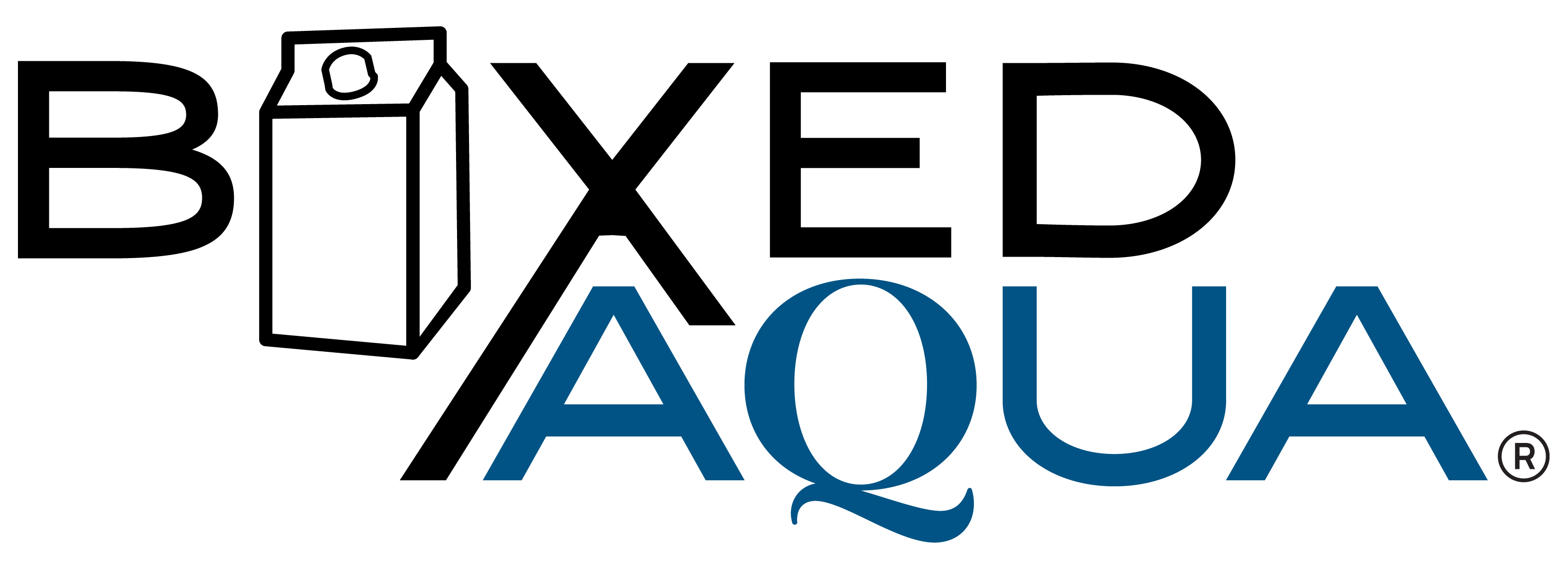
Among the leading companies carving out a niche for itself in this change is a new entrant in the Water Packaging Industry named Kevala Niru Water Packaging with its innovate products like Boxed Aqua, Alkind Wtr, Kevala Niru packaged drinking water etc. These products are wrapped in GableTop Pak carton specially developed to minimise plastic and glass wastes. Boxed water presents a new way of staying hydrated and healthy, introducing a level of practicality and sustainability that consumers can appreciate. The strategy is a modern approach that shows the ability of packaging technology to be both convenient and environmentally sustainable.
A paper bottle has several benefits, including its low carbon emitters. Paper-based packaging generally uses less energy than does plastic packaging, particularly if sustainable forestry practices are employed. Furthermore, paper cartons are lightweight, which helps reduce transportation emissions and further promotes their eco-friendly attributes. On the other hand, plastic bottles use a large amount of fossil fuel resources in their production process, causing methane emissions to climate change.
Within the beverage sector packaging is an important assurance of quality and safety, and paper bottles have made impressive strides in this area. The paper-based containers are made using advanced manufacturing methods, guaranteeing the contents’ purity and freshness. Paper bottles can be a reliable alternative to plastics, as high quality paperboard, with protective layers, is durable and does not yield to contamination. This innovation helps to overcome the initial issues with paper packaging products, making them a feasible option for contemporary consumers.
But there’s another thing that’s important to notice, consumer perception and brand value. Sustainable packaging is well on its way to being an important strategy to win the trust and loyalty of the ecology-focused consumer. It’s not just about sustainable packaging, it’s about responsible packaging, which lands big on today’s audiences because of the paper bottle. Brands that take the environment into consideration for packaging win in terms of two aspects – they help protect the environment, they are better positioned in the market. One such example of Bring the Change is the partnership between Kevala Niru Water Packaging and Human Health. For the example, Kevala Niru Water Packaging has also tied up with Human Health in terms of their Sustainability initiative, so that the people can make an informed choice according to their values.
The Boxed Aqua idea further highlights the positive aspect of paper packaging. This High Quality Water Product is sourced from mountain springs in the Himalayas and is infused with natural minerals in a way to bring about not only quality but sustainability. Formats in a box helps to maintain the original characteristics of the water and minimize the environmental damage. Every sip embodies purity, innovation, and responsibility, and it’s not just water. It turns into a conscious living and a consciousness of the environment.
When evaluating the effectiveness of packaging solutions, recyclability and waste management should be taken into account. Paper bottles can be readily recycled within current recycling facilities, enabling suitable re-use and re-purposing of materials. This enables the ideas of a circular economy which entails keeping resources “in use for as long as possible”. While plastic bottles can be recycled in theory, there are many issues in both the collection and recycling of unused plastic bottles from consumers that reduce the rate of recycling and increase environmental damage.
Innovation is not to be underestimated when it comes to the future of packaging. Ongoing research and development efforts are contributing to the improvement of paper bottle technology to create a better barrier and moisture barrier provides satisfactory performance. These innovations broaden the sectors into which paper-based packaging can be utilized, and can be used on varies types of drinks. With advancements in technology, paper bottles are anticipated to be even more efficient, durable, and popular among various industries.
Additional factors affecting choice of packaging formats are cost. As of today, plastic bottles could possibly be cheaper to produce, but the environmental price is much higher in the long run. Government and regulatory policies are stepping in with a new trend to limit the use of plastics, which could result in future increased costs to plastic packaging. As technology and production volume improves, paper bottles will probably be more cost efficient in the future, thanks to sustainable practices and an increasing demand for them.


