



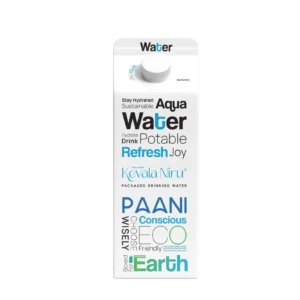
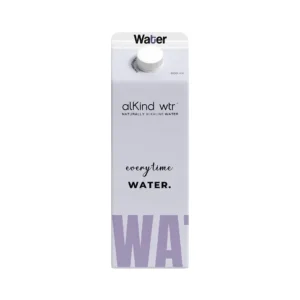


The beverages market in the entire Southeast Asia is in a significant shift as sustainability takes the centre stage as a key determinant of what should be used to package the product. Rising environmental consciousness, increased laws on plastic waste, and a shift in consumer preferences are making businesses go smarter. One of the most significant shifts in the transition is a rise in the utilization of sustainable water packaging Southeast Asia solutions that are environmentally responsible and offer convenience, durability, and high-end consumer customer experience.
Southeast Asia has been among the rapidly expanding consuming water markets on packages. The high demand of bottled water is due to the rapid urbanization, growth in tourism, development in hospitality, growth in the consumption amidst middle classes, and a rise in health consciousness. This growth, however, has added to the concern of plastic pollution, landfill wastes and environmental degradation in the oceans as well. Sustainable water packaging Southeast Asia is proving to be a feasible solution to such an environmentally challenging issue.
Sustainable packaging is of importance to the region due to its environmental setting. The economies of the coasts, island economies, tourist-based destinations, and highly populated cities are directly impacted by the issue of waste management. Consumption of plastic bottles has resulted in large waste burden, and thus sustainable water packaging is a very viable strategic goals not only by business but also policy makers in Southeast Asia.
The Southeast Asian consumer attitudes are evolving. Consumers are also gaining more awareness of the effect of packaging on the environment and are becoming more discriminating currently in the kind of products they endorse. Modern consumers require that brands are engaging in significant levels of sustainability and packaging is one of the most conspicuous ways a company can show its environmental accountability. The sustainable water packaging, Southeast Asia, is directly paying attention to these emerging demands.
Hospitality contributes significantly to the water consumption in the region. Hotel, restaurant, luxury resort, cafe, wellness retreats, airports and tourism-related businesses are large consumers of packaged water on a daily basis. A good number of these companies are also in the process of substituting traditional plastic bottles with a more eco-friendly one, which is increasing orders of sustainable water packaging Southeast Asia solutions.
This transformation has become focal with packaging innovation. Companies are studying renewable plastic cartons, recyclable packaging forms, lighter ones and high-quality eco-friendly designs which lessen the dependence on the conventional plastic bottles. Sustainable water packaging Southeast Asia does not seem to be considered an environmental niche anymore. It is turning into a regular business demand.
Sustainable water packaging Southeast Asia can enjoy one of the most powerful advantages present brand positioning. When companies become business environmentally aware in terms of packaging, they develop greater distinction in an ever competitive market. The concept of sustainability appeals to the new consumers, particularly the hospitality, retail, new premium lifestyle and wellness segments.
Appearances are also a good source of adoption. Green water packs Southeast Asia tend to use smooth contemporary design types that convey high quality water and environmental consciousness. Unique packaging designs aid products to acquire prominence in the retail space and to enhance the brand values.
The tourism business in the Southeast Asia region has been listed among the most impactful agents of sustainable water packaging. Increasingly international visitors are looking to visit a destination and hospitality brands that can show clear sustainability commitments. The green bottle of water enhances brand names and complies with the tendencies of sustainable tourism in the world.
Market demand is also being influenced by the corporate sustainability initiatives. Companies are reinforcing environmental protocol in Singapore, Thailand, Malaysia, Indonesia, Vietnam, and other regions in the Philippines, as part of the ESG. Sustainable water packaging Southeast Asia helps these aspirations by quantifiable changes in plastic addiction and better environmental standing.
Adoption is further increasing with retail evolution. Premium grocery stores, convenience retail chains, airports, health oriented retailers and boutique hospitality suppliers are also looking at sustainable alternatives that are conscious consumer facing. Sustainable water packaging Southeast Asia is a perfect fit considering these new retail dynamics.
The role of government regulations regarding the use of single-use plastics is growing. The Southeast Asian markets are also introducing more stringent policies on environment to minimise plastic waste and promote alternative practices that are less damaging. Sustainable water packaging Southeast Asia is quite compatible with this regulatory trend, becoming an increasingly business strategy of the future.
The education level of consumers in the region is going up with the increase in campaigns related to environmental awareness. Consumers are becoming more aware of the effects of packaging decisions, which is better increasing the preference of brands that can provide believable sustainable answers. This change in behavior directly affects sustainable water packaging Southeast Asia.
Sustainable packaging is also appealing due to the operational considerations. The commercial benefits of sustainability are enhanced by lightweight formats, efficient transportation and easier storage and modern packaging performance. Companies that embrace sustainable water packaging Southeast Asia, tend to have environmental and operational advantages.
Consumers are becoming more health-conscious and demanding less processed hydration products, packaged in a more conscientious way. Trust is affected by how the product is packaged, and eco-friendly packages tend to convey more information about high product quality, innovation in a modern environment, and brand integrity. Sustainable water packaging Southeast Asia is very much in touch with these expectations of consumers that are changing.
The wellness Southeast Asian economy is growing at a rapid pace. There is a growing interest in products that connect with holistic lifestyle values among fitness branding, organic retailing, luxury indulgency spa, health cafes, wellness retreats, and luxury hospitality service providers. Sustainable water packaging Southeast Asia is a good complement to this evolution in the market.
Customization of the brand is another significant area of growth. The new sustainable packaging forms have expansive branding capabilities whereby a company can convey sustainability stories, corporate image, high-end status, and localized messages. Sustainable water packaging Southeast Asia is made a brand communication asset as well as a solution to packaging.
New beverage startups are especially active in the area of sustainable innovation in the region. High value on differentiation of packaging is frequent among new entrants into a market. Sustainable water packaging Southeast Asia offers startups with an attractive space to position their premium brands and tell their environmental stories.
Both major cities in Southeast Asia in infrastructure modernization contribute to greater adoption. The enhanced logistics, high-end retail, business growth, expansion of hospitality and corporate modernization offer positive opportunities to sustainable water packaging improvement.
The hospitality luxury brands are increasingly realizing that observable sustainability pledges are part of the expectations of the guests. When supplied with guest-friendly plastic bottled water alternatives are used instead of the plastic ones, it enhances the perception of the guests as well as corporate environmental objectives. Sustainable water packaging Southeast Asia has thus gained great relevance in the high service sectors.


